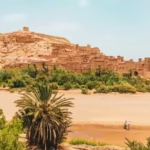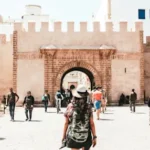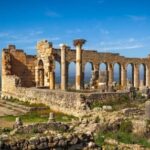



When exploring the vibrant heritage of North Africa, understanding Morocco culture and history is essential to truly appreciating its population. The story of the Moroccan people is deeply tied to bustling ancient medinas, aromatic spices, and sweeping desert dunes. To truly understand this captivating nation, one must dive straight into how Morocco culture and history shape the identity of its citizens today. Interwoven over millennia of migration, trade, and resilience, the local population has built a heritage that is utterly unique a brilliant blend of Indigenous Amazigh (Berber) roots, Arabian heritage, African depth, and Andalusian flair.
1. How Morocco Culture and History Shaped the Modern Population
The Amazigh Legacy: The Roots of Morocco Culture and History
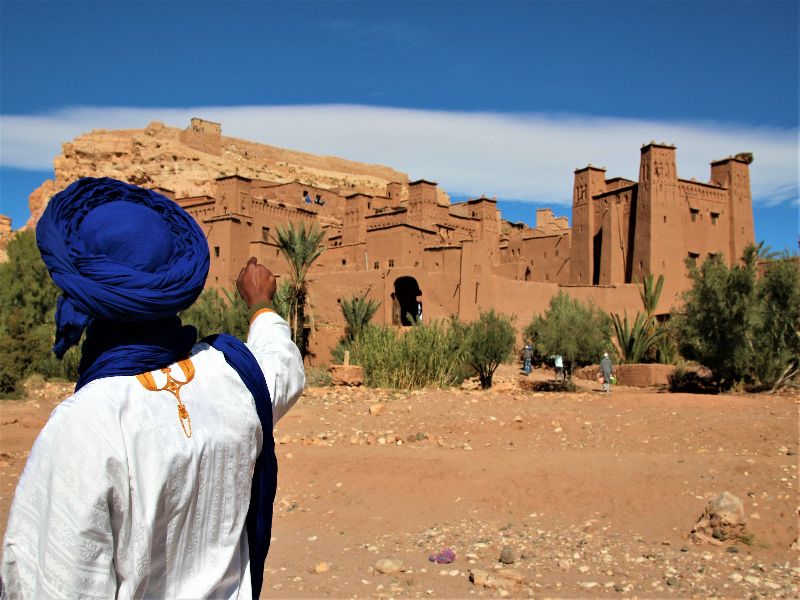
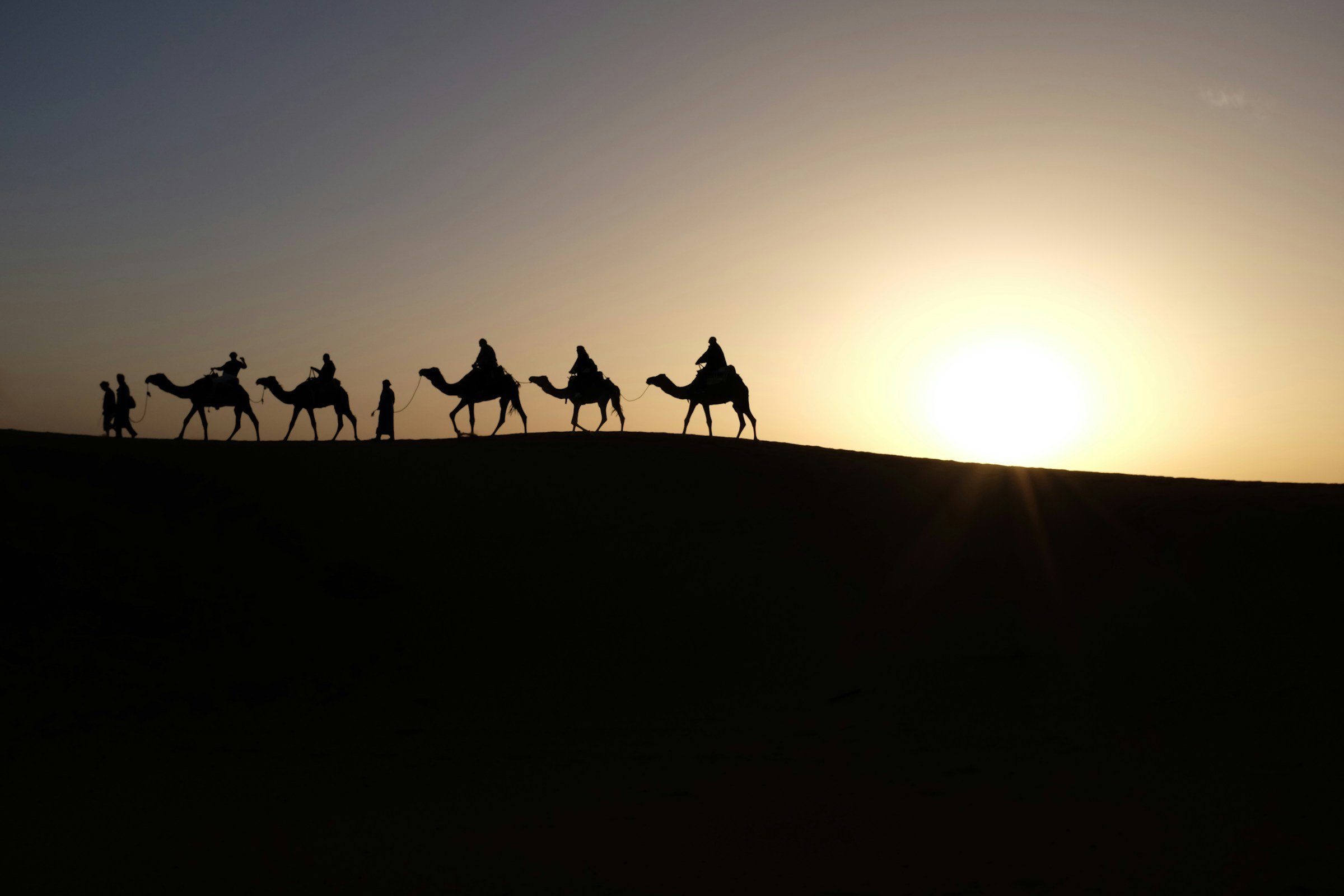
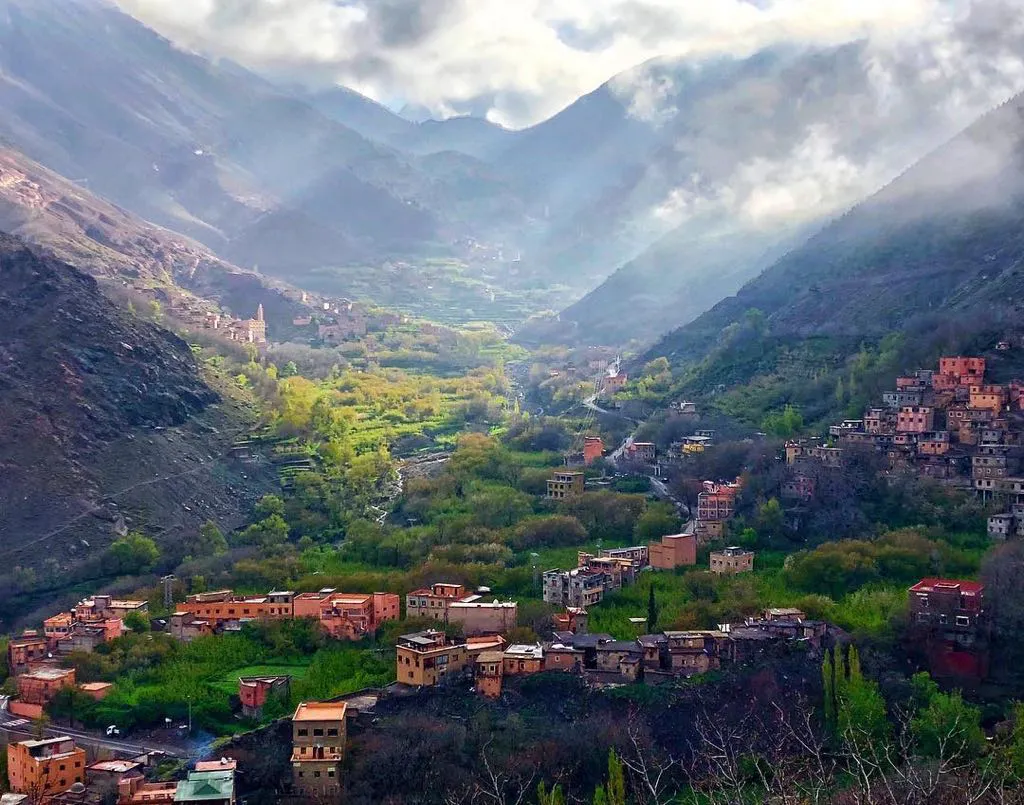
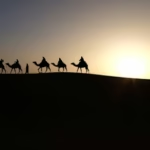
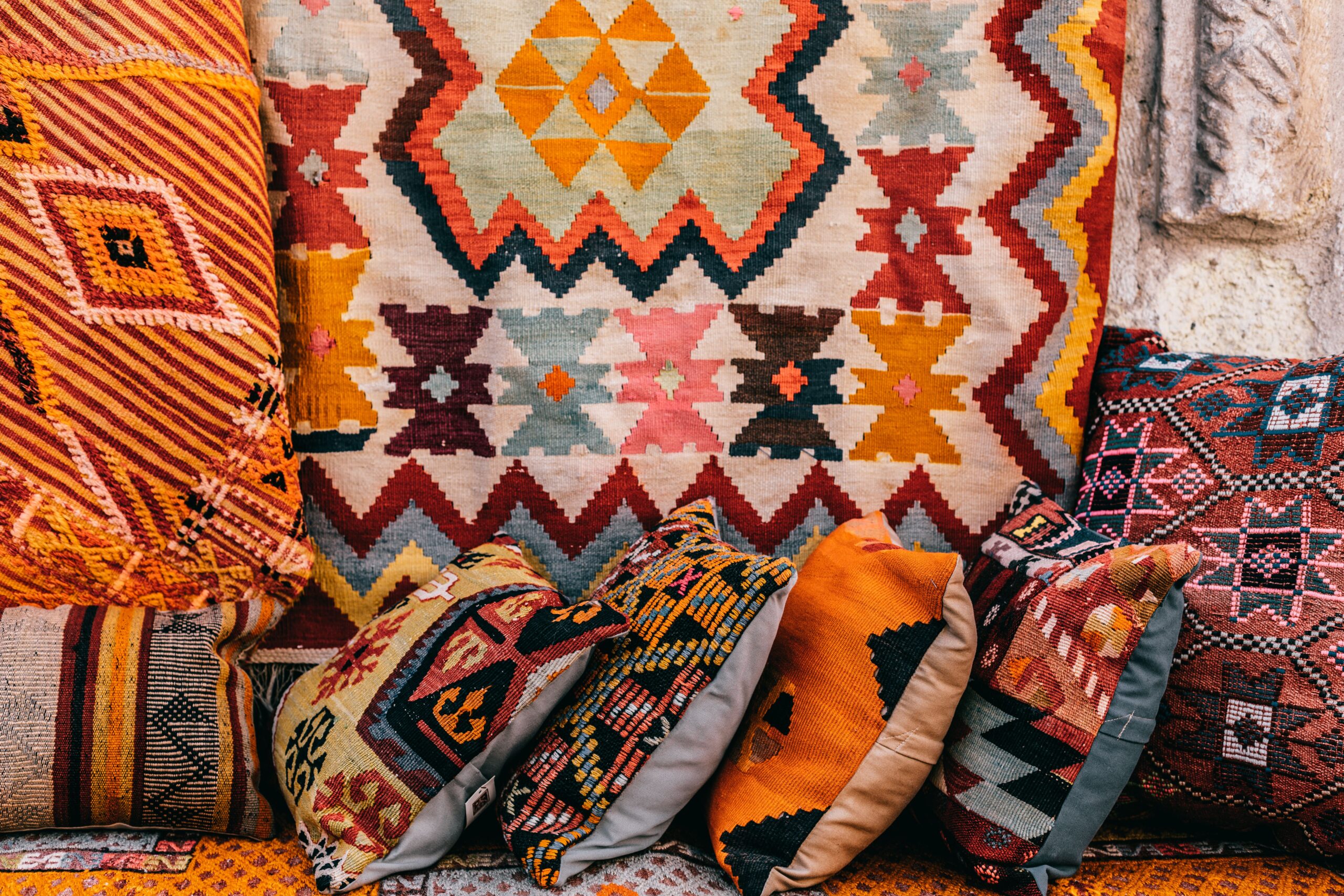
Long before Arab armies or European colonizers arrived on North Africa’s shores, the Amazigh historically known as Berbers laid the foundation for Morocco culture and history. Meaning “free people” or “noble men” in their native tongue, the Amazigh have a heritage that stretches back over 10,000 years. They were fiercely independent, mastering the harsh environments of the Sahara Desert and the rugged Atlas Mountains. Today, their legacy forms the foundational bedrock of modern identity. From the intricate geometric patterns found in traditional rugs to the structural design of fortified earthen granaries, the enduring spirit of these indigenous people is visible across the entire country.
The Arab Influx and the Golden Islamic Empires
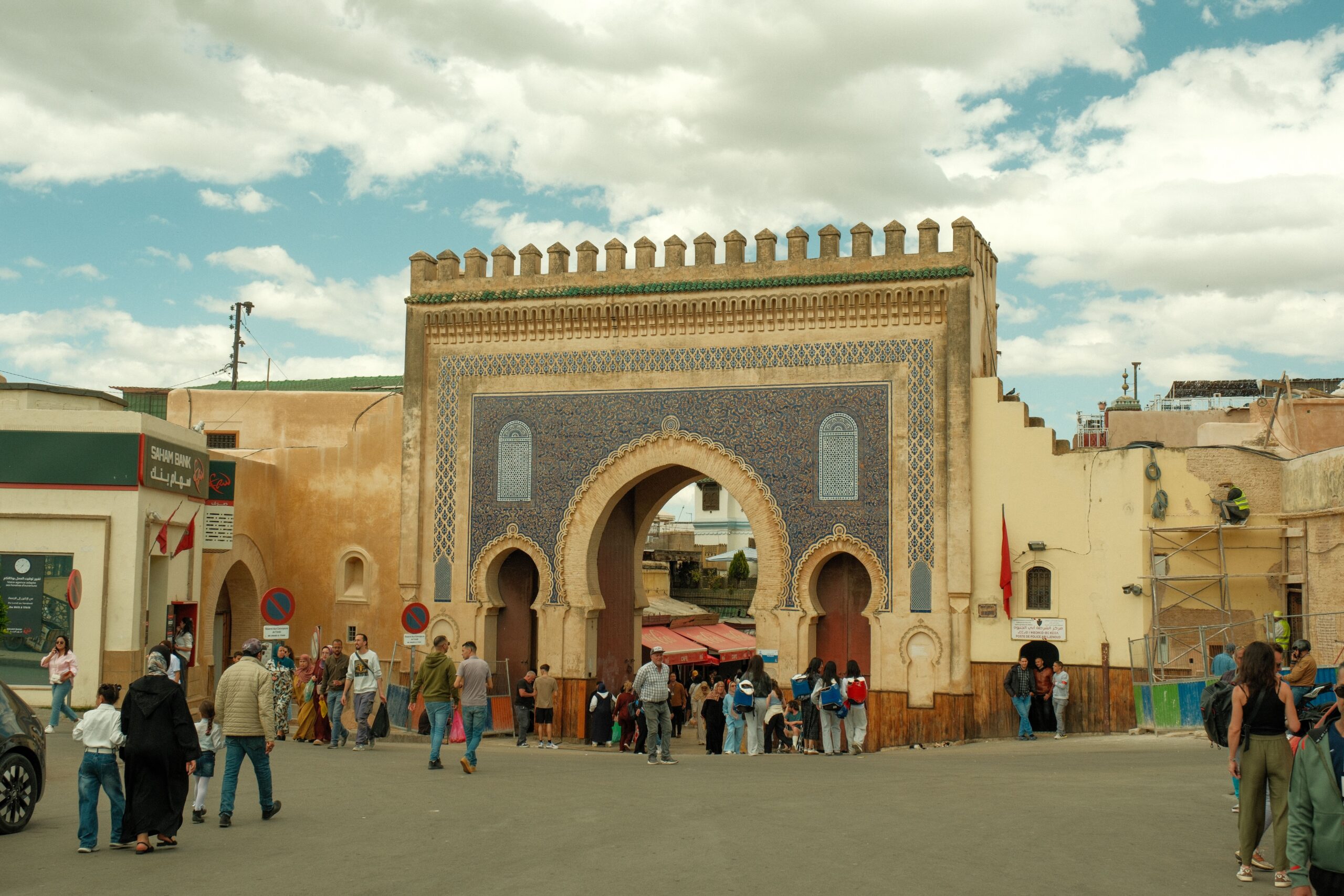
The trajectory of local society changed permanently in the late 7th century with the arrival of Islam and the Arab population. This period marked the beginning of a profound cultural synthesis that permanently redefined Morocco culture and history. Dynasties rose and fell, each leaving an indelible mark on the nation’s soul. The Idrisids established Fez, making it a global hub of science and spirituality. Later, the Almoravids and Almohad empires built vast territories that stretched into Spain. This golden era brought sophisticated architecture, advanced agricultural techniques, and a scholarly tradition that made Morocco a jewel of the medieval world, bridging Africa and Europe.
The Colonial Era and the Modern Kingdom
In the early 20th century, Morocco’s strategic position drew the eyes of European powers, leading to the French and Spanish protectorates established in 1912. Though this colonial era lasted less than half a century, it fundamentally reshaped how locals interacted with language, infrastructure, and urban planning. When the country regained its independence in 1956 under King Mohammed V, it emerged as a modern nation-state that fiercely guarded its heritage. Today, under the Alaouite dynasty, the population stands as a stable, progressive kingdom that honors its ancient lineage while aggressively modernizing for the global stage.
2. The Vibrant Mosaic of Modern Moroccan Culture
How Morocco Culture and History Expresses Itself Through Language
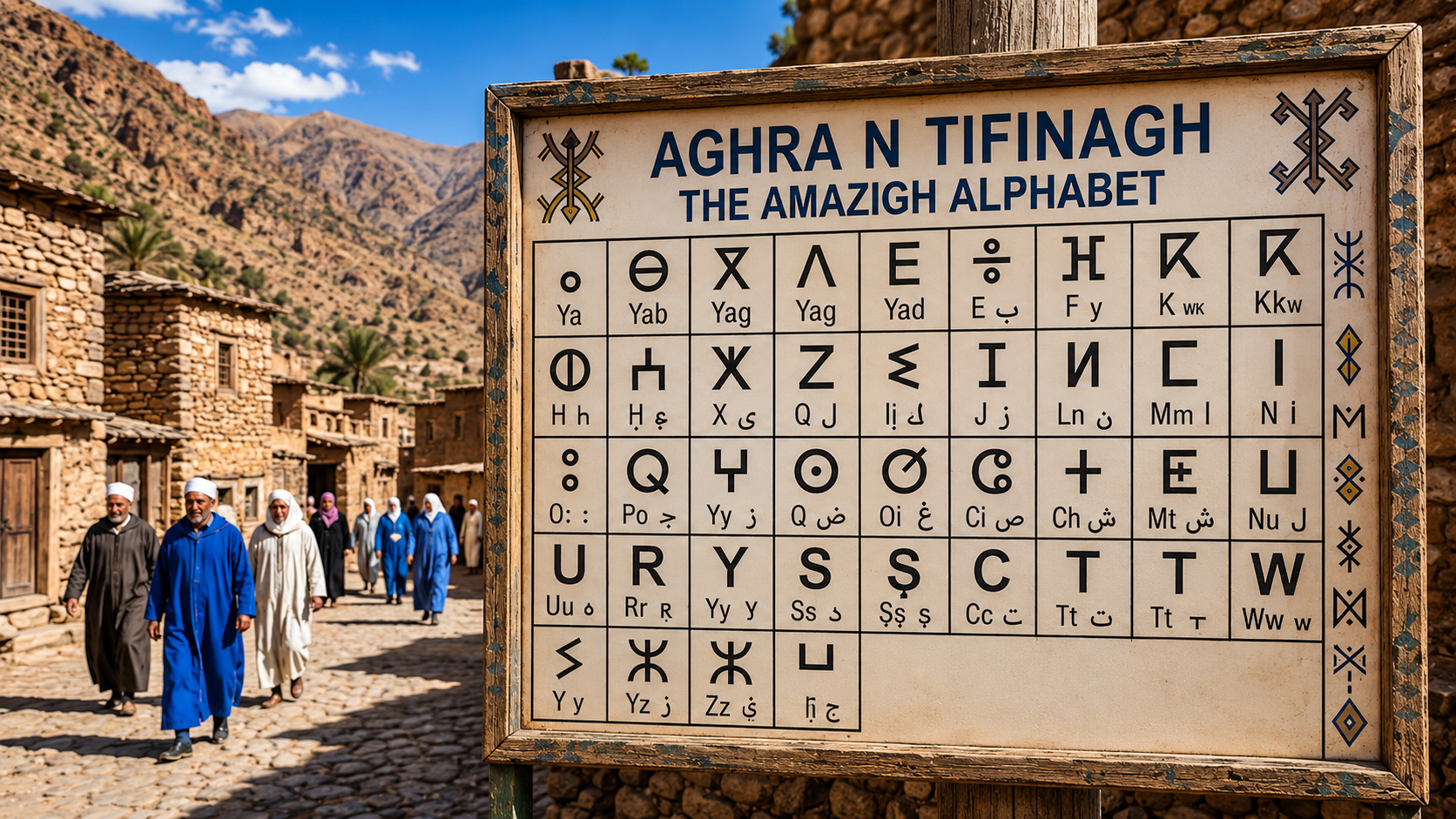
The linguistic landscape of the country is a fascinating testament to how Morocco culture and history evolve over time. While Modern Standard Arabic is used in official government business, the true heartbeat of the streets is Darija (Moroccan Arabic). Darija is a linguistic kaleidoscope it takes an Arabic base and infuses it with Amazigh grammar, French vocabulary, and Spanish slang. In addition to Darija, millions of citizens speak Tamazight (the Amazigh language), which is officially recognized as a state language. Strolling through a market, you will hear a fluid, rapid-fire transition between these tongues that highlights the adaptability of the locals.
Architectural Wonders and Artisanal Craft
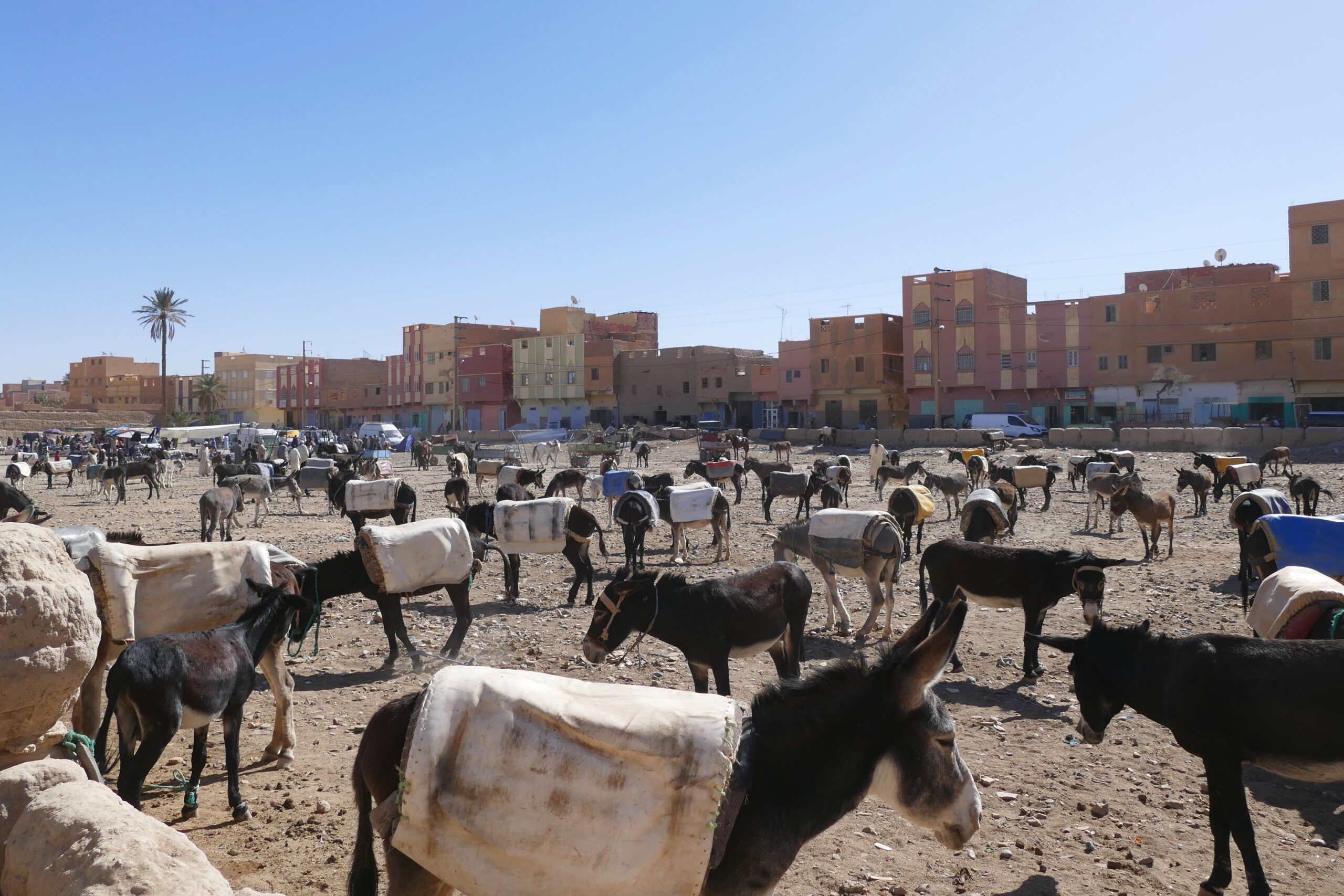
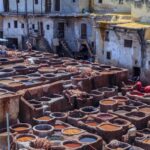
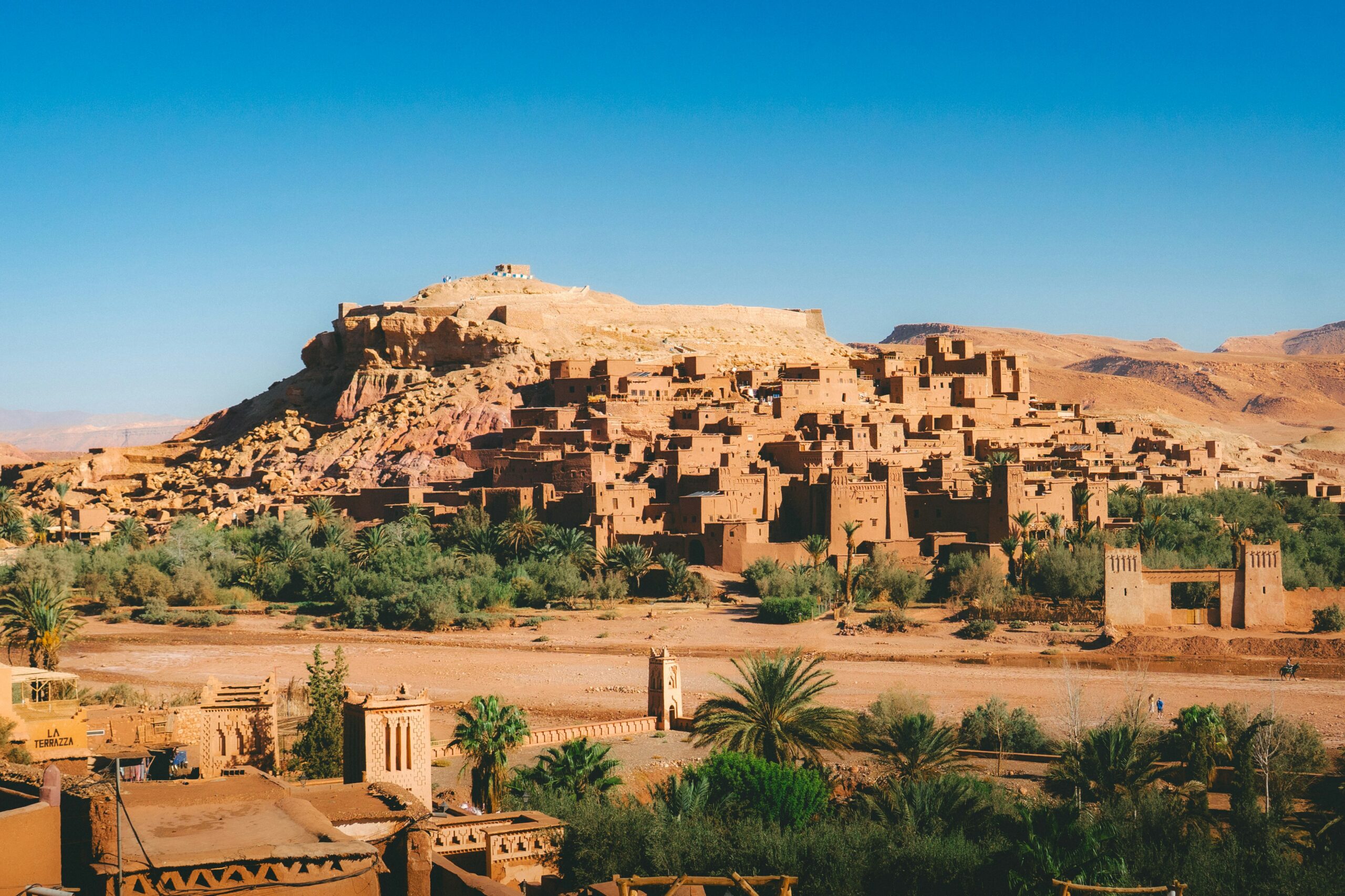
Moroccan traditions are intensely visual, defined by a dedication to craftsmanship that has been passed down through generations. The architecture is world-renowned, characterized by horseshoe arches, grand courtyards, and zellij painstakingly hand-cut geometric tilework. Whether it is a grand mosque in Casablanca or a hidden riad in Marrakech, the attention to detail is staggering. This artistry extends to daily life through traditional crafts: master leather tanners in Fez still use medieval techniques, metalworkers hammer intricate brass lanterns by hand, and women’s cooperatives keep the ancient art of weaving vibrant textiles alive.
Music, Festivals, and Spiritual Rhythms of the Population
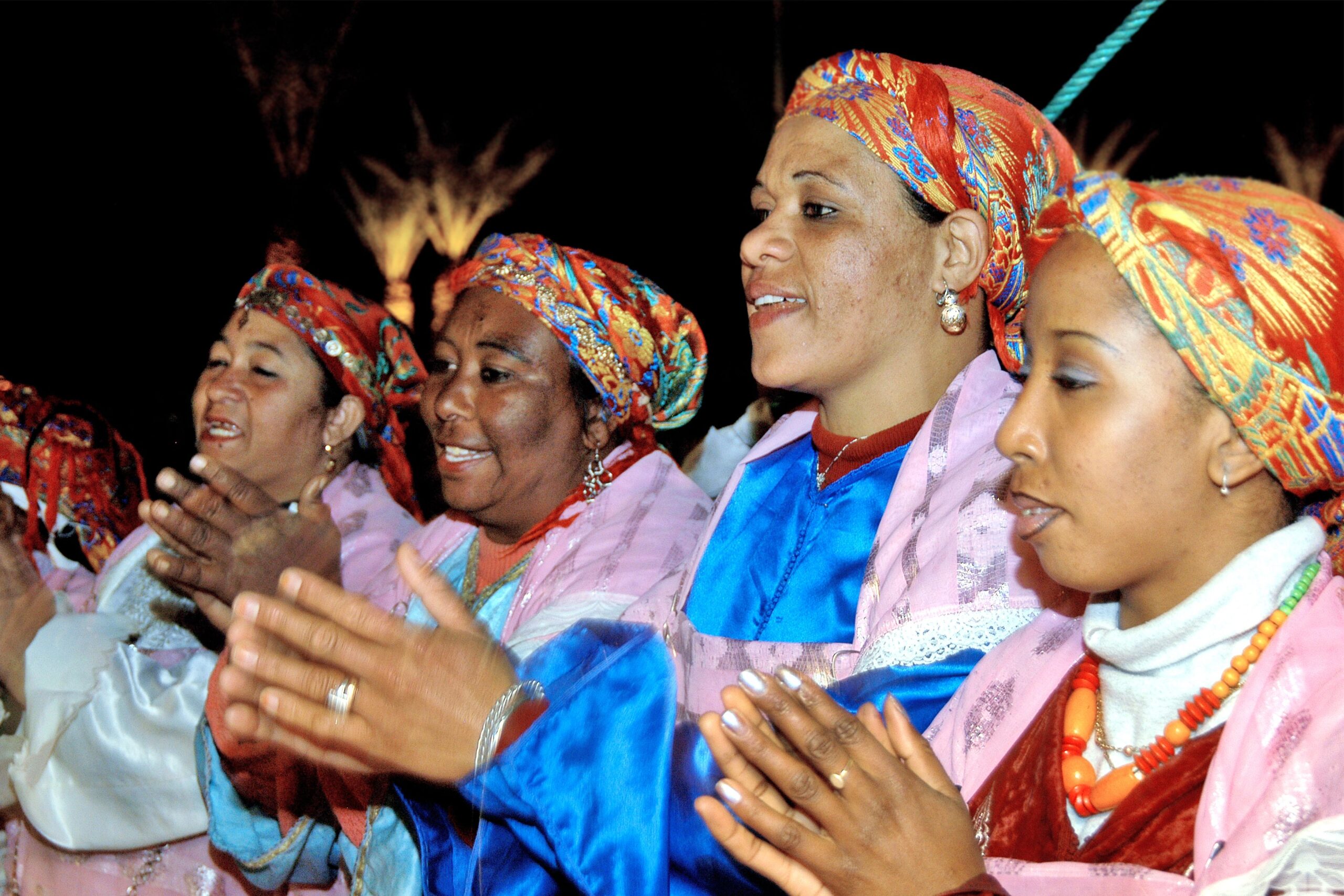
Music is the spiritual glue that binds local society together. The country boasts a rich auditory heritage that ranges from classical, Andalusian-orchestrated court music to the hypnotic, spiritual rhythms of Gnawa. Originally brought to Morocco by enslaved sub-Saharan Africans, Gnawa music combines ritual poetry with traditional dancing and the deep, resonant strums of the gimbri. Festivals like the Gnaoua World Music Festival in Essaouira or the Fez Festival of World Sacred Music draw global audiences, proving that music remains a vital, evolving expression of the Moroccan soul.
3. Rhythm and Rituals: Daily Life of the Morocco People
The Sanctuary of the Riad and the Medina
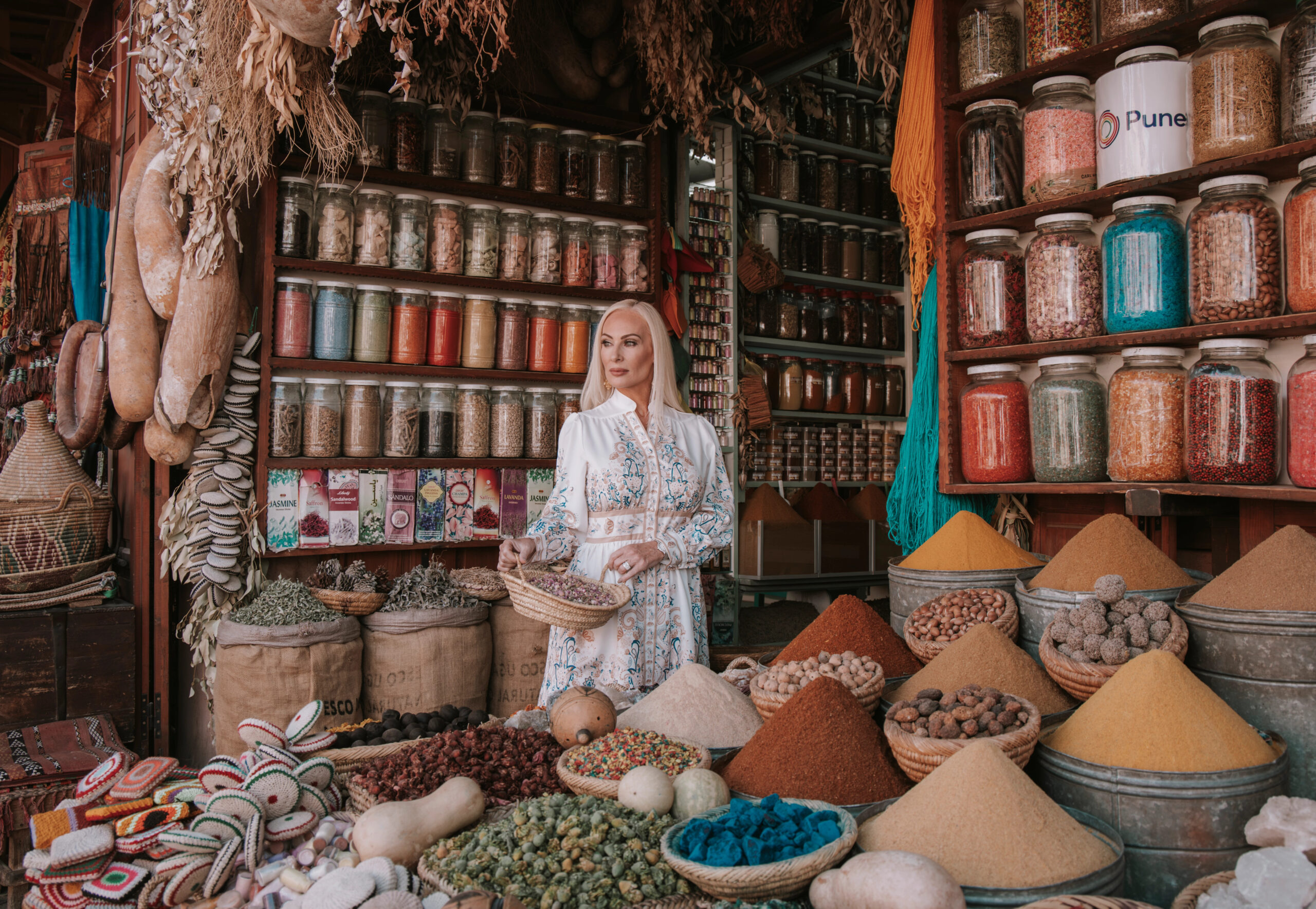
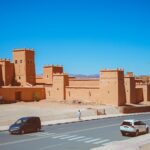
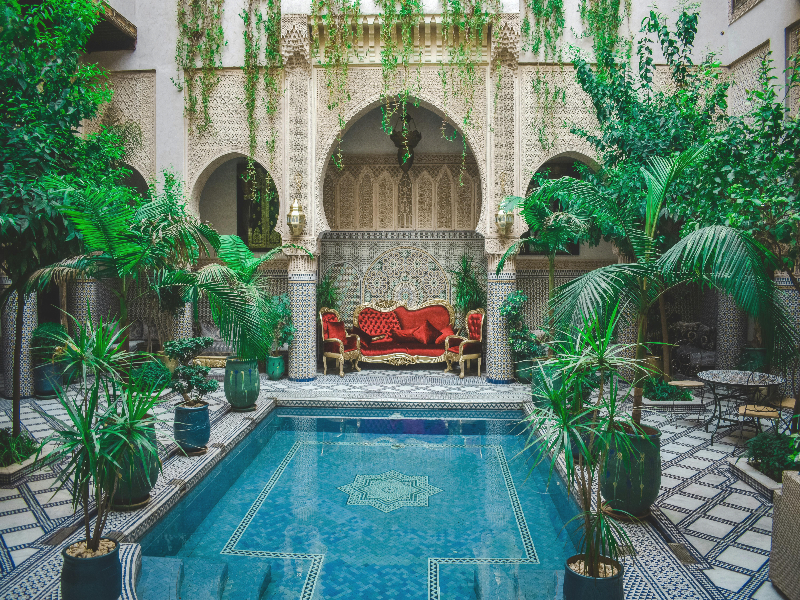
To understand the daily life of the population, one must understand the spatial philosophy of the medina (the historic walled city). The medina is a labyrinth of narrow, bustling alleys filled with the scents of cumin, amber, and fresh bread. Yet, behind the plain, windowless mud brick walls of these alleys lies the riad a traditional home designed around a central, open air courtyard oasis. This architectural contrast reflects a core cultural value: a clear separation between public hustle and private tranquility. Daily life for many urban locals involves navigating these ancient, car-free streets, stopping to greet neighbors at every turn.
Hospitality, Cuisine, and the Ritual of Mint Tea
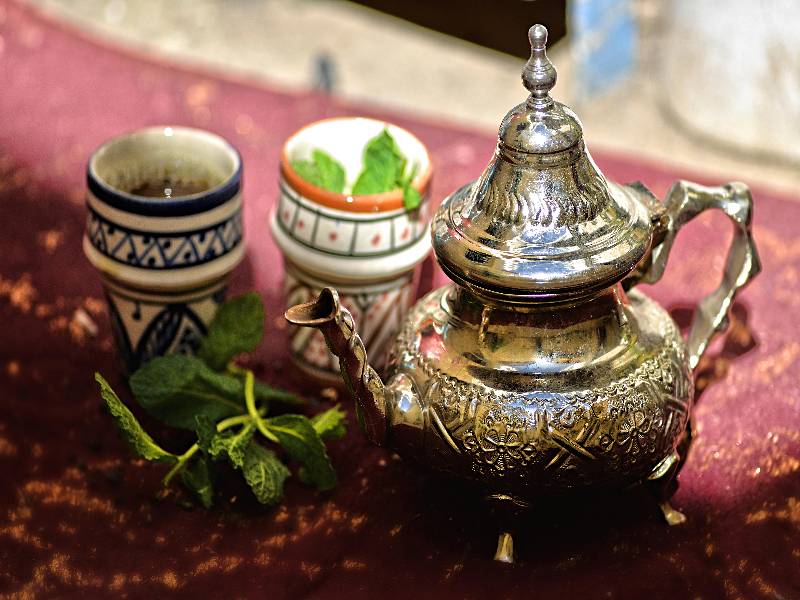
Among the local population, hospitality is not merely a polite gesture; it is a sacred duty and a point of immense national pride. No symbol captures this warmth better than Atay (Moroccan mint tea), affectionately dubbed “Moroccan whiskey.” Prepared with green tea, plenty of fresh spearmint leaves, and generous helpings of sugar, it is poured from high above to create a frothy crown in the glass. Sharing tea is the ultimate social equalizer, accompanying business transactions, family gatherings, and the welcoming of strangers. It perfectly complements the world-famous cuisine, where families gather around a single communal earthen pot to enjoy slow-cooked tagines and fluffy couscous.
Faith, Community, and the Modern Balance
Islam is the guiding compass of daily life for the vast majority of the population, providing a rhythmic structure to the day through the five time daily call to prayer (adhan) echoing from the minarets. Fridays are holy; businesses close in the afternoon as families head to the mosques and return home to eat couscous together. At the same time, the communal Hammam (traditional bathhouse) remains a vital weekly ritual for hygiene, gossip, and community bonding. While traditional customs remain deeply entrenched, modern Moroccans especially the tech savvy younger generation in cities like Rabat and Casablanca effortlessly balance these ancient rituals with a contemporary, cosmopolitan lifestyle.