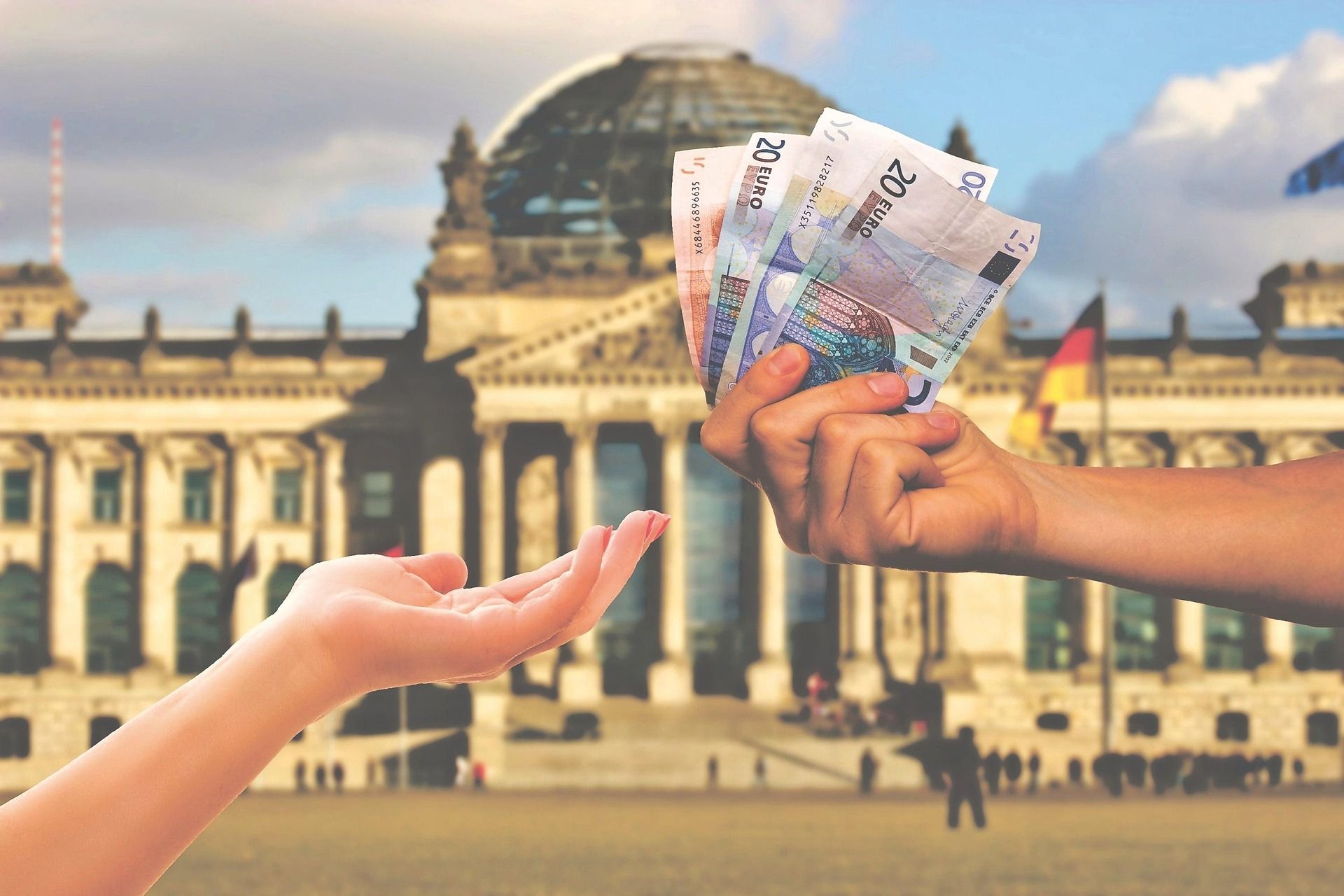
Withdrawing money in Morocco is something almost every visitor needs to think through before landing, since the country remains a largely cash based economy. ATMs (known locally as “guichets automatiques”) are widely available in Marrakech, Casablanca, Rabat, Fes, Tangier, and other major cities, clustered around bank branches, airports, shopping streets, and medina entrances. Almost all machines accept international Visa and Mastercard debit cards, dispensing Moroccan dirhams (MAD) in 100 and 200 notes. Since the dirham is a closed currency, it can’t be bought or exchanged before you arrive, which makes local ATM withdrawals or currency exchange at a bank or bureau de change once you land the two realistic ways to get cash. Most travelers rely on a mix of both: an initial withdrawal on arrival, topped up every few days as needed.
Understanding ATM fees is where most travelers lose money unnecessarily when withdrawing money in Morocco. As of 2026, essentially every bank in the country charges foreign cardholders a withdrawal fee, commonly around 35 MAD per transaction, after Al Barid Bank the last previously fee free postal bank began charging as well. On top of that local fee, your own bank or fintech provider may add its own international withdrawal or conversion charge, so it’s worth checking your card’s foreign ATM policy before you fly; providers like Wise and Revolut typically offer a monthly fee-free allowance before charges kick in. Per transaction limits usually range from 2,000 to 4,000 MAD depending on the bank, with BMCI generally allowing higher single withdrawals, which cuts down on how many 35 MAD fees you rack up. Since fees are charged per transaction rather than per amount, it pays to withdraw larger sums less often instead of making several small withdrawals. At the machine itself, always decline “Dynamic Currency Conversion” (sometimes shown as “Accept/Decline Conversion” or “Charge in home currency”) and choose to be charged in dirhams accepting conversion locks in a poor exchange rate set by the ATM operator, often several percent worse than your bank’s standard rate.
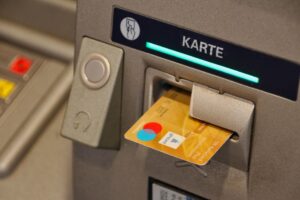
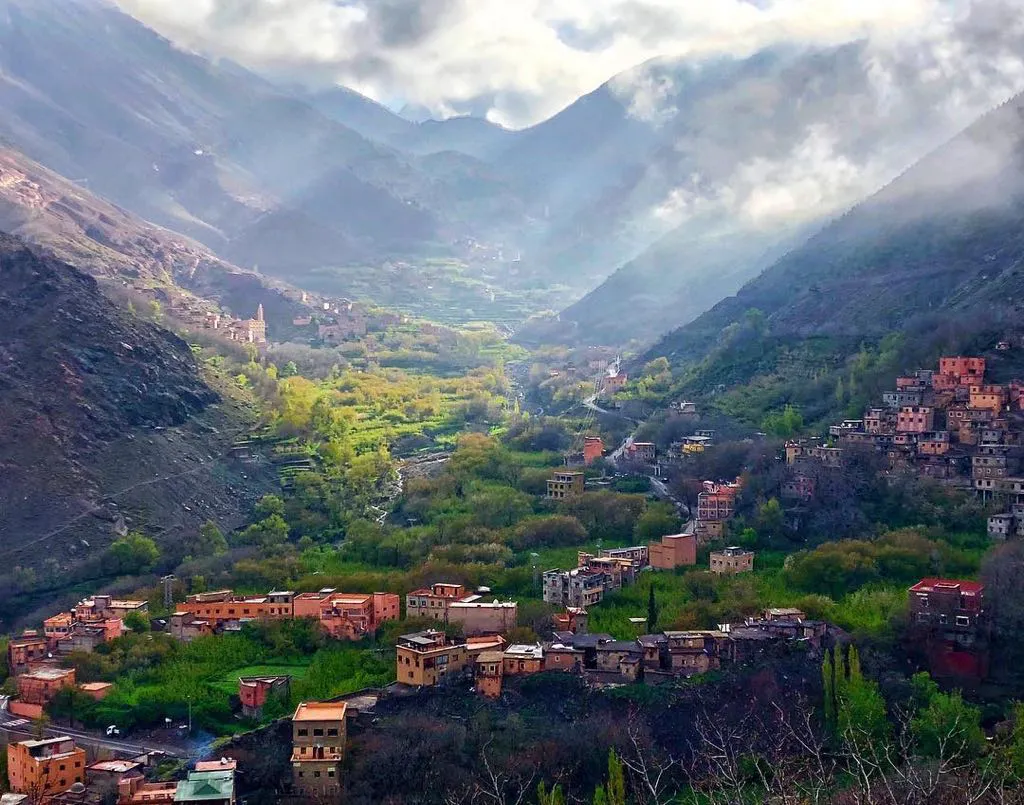
Beyond fees, a few habits make withdrawing money in Morocco safer and smoother. Use ATMs physically attached to a bank branch rather than standalone street machines, since a swallowed card is far easier to recover with your passport during business hours. Inform your bank of your travel dates before departure to avoid your card being blocked for suspicious activity, and carry a backup card from a different bank in case one is declined or retained. Withdraw enough cash before heading into the Atlas Mountains, the Sahara, or smaller rural towns, where ATM access becomes noticeably less reliable, and try to break large notes at a supermarket or larger restaurant before entering the souks, since small vendors and petit taxis often can’t make change for 200 MAD notes. Finally, avoid unofficial street money changers altogether exchanging with them is illegal in Morocco and carries a real risk of counterfeit or discontinued banknotes; stick to banks, licensed bureaux de change, or ATMs for every withdrawal you make.